

Tesla channels $2B into AI as EV era narrows
The investment reinforces CEO Elon Musk’s plan to reposition the company from an electric-vehicle maker into an AI and robotics business.
News
- OpenAI May Secure $50B From Amazon in Ongoing Talks
- Apple Acquires Israeli Stealth AI Firm Q.ai
- Tesla channels $2B into AI as EV era narrows
- Dubai Media Enters Streaming Space With Dubai+, a Local-First OTT Platform
- MBZUAI Unveils K2 Think V2, Advancing the UAE’s Push for Fully Sovereign AI
- ENEC, TII, and ASPIRE Partner to Advance Autonomous Aerial Systems
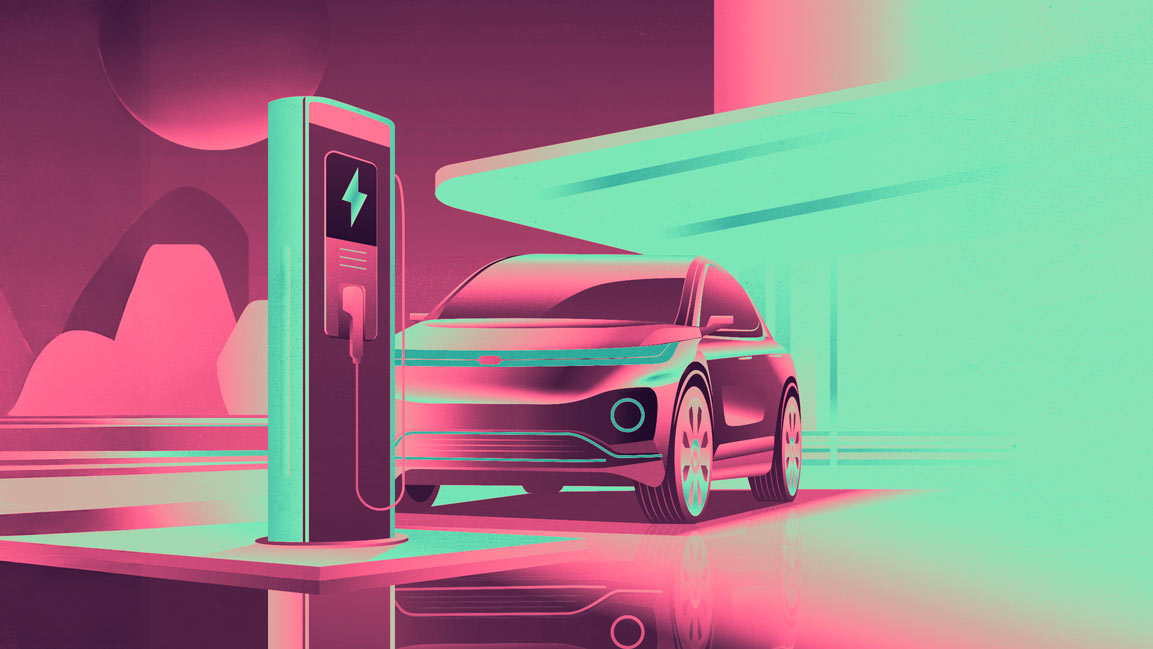
Tesla has announced plans to invest $2 billion in xAI, the artificial-intelligence (AI) company founded by its chief Elon Musk, while reaffirming that production plans for its purpose-built Cybercab robotaxi remain on track for this year.
The announcement reinforces Musk’s long-stated ambition to reposition Tesla from a pure electric-vehicle manufacturer into an AI and robotics company — a narrative increasingly central to the firm’s roughly $1.5 trillion valuation. At the same time, the update on robotaxi timelines appears designed to steady investor confidence after years of delayed or revised autonomy promises.
That strategic pivot, however, will require a sharp increase in spending. Chief Financial Officer Vaibhav Taneja told analysts that Tesla’s capital expenditures would exceed $20 billion this year, more than double the $8.5 billion projected for 2025, as the company funds new factories to support Cybercabs, humanoid robots, Semi trucks and the long-delayed Roadster. Tesla shares initially rose about 3.5% in after-hours trading, before paring gains to roughly 1.8% as investors digested the scale of the planned outlay.
Analysts say the company is entering a transitional period in which future revenue streams — rather than current vehicle sales — will dominate market expectations. “Tesla is asking investors to underwrite potential revenue from self-driving software and robotaxis before auto sales recover,” said Thomas Monteiro, senior analyst at Investing.com, adding that rollout metrics, not delivery numbers, have become the key indicators to watch.
Musk reiterated that Tesla could have fully autonomous vehicles operating across a quarter to half of the United States by the end of this year, despite a history of optimistic forecasts. Earlier projections that robotaxis would reach half the U.S. population by the end of 2025 were later narrowed to a handful of major metropolitan areas, targets the company has so far missed. Its current robotaxi pilot remains limited to Austin, Texas.
Meanwhile, Tesla’s core EV business continues to face pressure. Revenue fell about 3% in 2025 to roughly $94.8 billion, marking the company’s first annual decline. Intensifying competition, widespread discounting and the expiration of U.S. EV tax incentives have weighed on margins, while Musk’s political commentary has alienated some consumers.
During the same period, in a symbolic break from the past, Musk announced that Tesla will end production of its Model S sedan and Model X SUV next quarter. Once flagships of the brand, the vehicles now account for only a small share of revenue. Production space at the Fremont, California factory will be repurposed to build Optimus humanoid robots, while Cybertruck manufacturing in Texas will continue.
Investors are also watching regulatory progress closely. The Cybercab, designed without a steering wheel or pedals, does not yet meet current federal vehicle standards, and Musk offered no firm timeline for approvals. Still, Tesla shares rose about 11% in 2025, buoyed by expectations that its autonomy and robotics bets could eventually translate into new, high-margin businesses.