Airbnb CEO Says ‘Pure People Managers’ May Not Survive the AI Era
Brian Chesky says managers and employees alike will need a ‘growth mindset’ to stay relevant.
News
- Oracle Cuts 21,000 Jobs as AI Silently Reshapes Its Operating Model
- Nvidia’s New Cooling System Cuts Data Center Water Use to Near Zero—But Not AI’s
- 38% of UAE and Saudi Firms Have Agentic AI in Production, Highest Globally
- "The Timeline Is Months, Not Years": Five Eyes Warns of AI-Powered Cyberattacks
- Digital Dubai Helps Propel Dubai Into Global Top Five City Brands
- Saudi Arabia Opens Path to Data Monetization, Bars Raw Data Sales
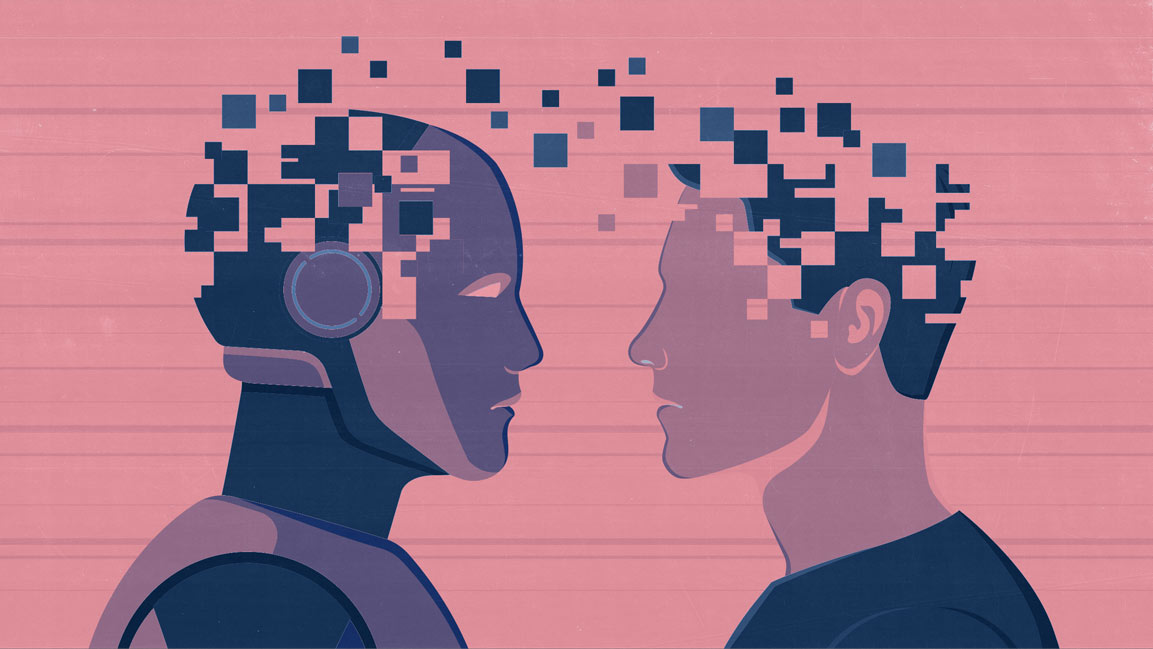
As generative AI reshapes workplace structures across industries, Airbnb CEO Brian Chesky has drawn a sharp distinction between the kinds of workers likely to thrive in the transition — and those he believes risk becoming obsolete.
Speaking on the Invest Like The Best podcast, Chesky argued that the greatest threat facing professionals is not AI itself, but resistance to adapting alongside it. “The two types of people who will not make the shift to AI are pure people managers and people who are rigid and don’t want to change and evolve,” Chesky said.
His comments reflect a shift in Silicon Valley, where executives of leading tech companies and AI labs increasingly describe AI not simply as a productivity tool, but as a force likely to flatten organizational hierarchies and redefine white-collar work. Rather than replacing entire professions outright, leaders are emphasizing how AI may change the value of certain functions within companies.
Chesky suggested that traditional management roles are especially vulnerable. In his view, executives can no longer operate solely as coordinators of teams and meetings. Instead, leaders will need to function as “hybrid people managers” — part manager, part individual contributor — with direct involvement in the work itself.
“I don’t think people managers will have any value in the future,” Chesky said, clarifying that he was referring to managers who only oversee personnel rather than contribute to execution or product development.
The Airbnb chief contrasted this with leaders such as Jony Ive, whom he described as balancing team leadership with deep engagement in the product itself. According to Chesky, relationship-building and mentorship remain important, but managerial authority alone is becoming insufficient in AI-driven workplaces.
The remarks align with a growing consensus among technology executives that adaptability may become a more important workplace skill than technical specialization alone. Across sectors, including software engineering, customer service, finance, and law, companies are increasingly integrating AI tools into daily workflows while expecting employees to learn how to work alongside them.
Chesky maintained that workers who embrace AI tools can remain competitive, arguing that the barrier to entry is relatively low for those with what he called a “growth mindset.”
“The companies that are prepared to change and transform are the companies that are going to benefit from AI,” he said. “And if you don’t change, you’re going to be disrupted.”