Topics
What to Read Next
- Alibaba Unveils 2.4-Trillion-Parameter Qwen3.8 AI Model
- UAE Treats AI Literacy as a National Economic Priority: Report
- Beyond Resilience: Why Optimism Is Becoming the Middle East's Workforce Strategy
- The Hidden Cost of Using AI at Work: It Might Be Making You Boring
- WEF Names UAE PASS a Global Benchmark for Digital Identity
- China's Moonshot Debuts Kimi K3, a 2.8T-Parameter Open AI Model
As organizations increasingly embrace artificial intelligence (AI) technologies, concerns about ethical issues are growing.
These issues range from biases in decision-making processes to potential litigation, privacy breaches, and loss of trust. Therefore, it is important for organizations to actively address AI ethics and integrate them into their governance and risk management structures.
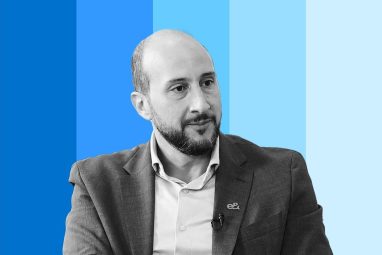
“It’s very difficult to build trust, and it’s very easy to lose it. And there are many ethical issues in AI that may lead to loss of trust,” says Elias Baltassis, Partner and Vice President, BCG, in this exclusive interview for MIT SMR Middle East’s NextTech series.
Regulation alone may not provide a one-size-fits-all solution, as different organizations and industries face unique challenges and ethical considerations. Instead, the responsibility for responsible AI largely falls on the organizations themselves, necessitating a proactive approach from leadership to identify, address, and mitigate ethical concerns.
Baltassis also answers some key questions on AI ethics, including those mentioned below:
- Can responsible AI address the challenges of malicious use of AI?
- What role should governments and regulatory bodies play in ensuring the ethical use of AI?
Fostering responsible AI practices will remain an ongoing challenge that requires thoughtful policies, leadership commitment, and continuous ethical scrutiny. Learn more in this related article ‘Designing Ethical Technology Requires Systems for Anticipation and Resilience.”