Why OpenAI Is Unifying Its Tools Into a Superapp
As competition in AI heats up, OpenAI aims to streamline its products and scale its workforce from 4,500 to 8,000 to stay ahead.
Topics
News
- Digital Dubai Helps Propel Dubai Into Global Top Five City Brands
- Saudi Arabia Opens Path to Data Monetization, Bars Raw Data Sales
- Elon Musk Predicts AI Will Eclipse Human Intelligence in 5 Years
- Research Highlights a Growing Disconnect Between AI Adoption and Workforce Strategy
- UAE Introduces AI-Generated Spokesperson for International Outreach
- Governments Must Lead on AI Governance Instead of Ceding Responsibilities to AI Labs, Says Sam Altman
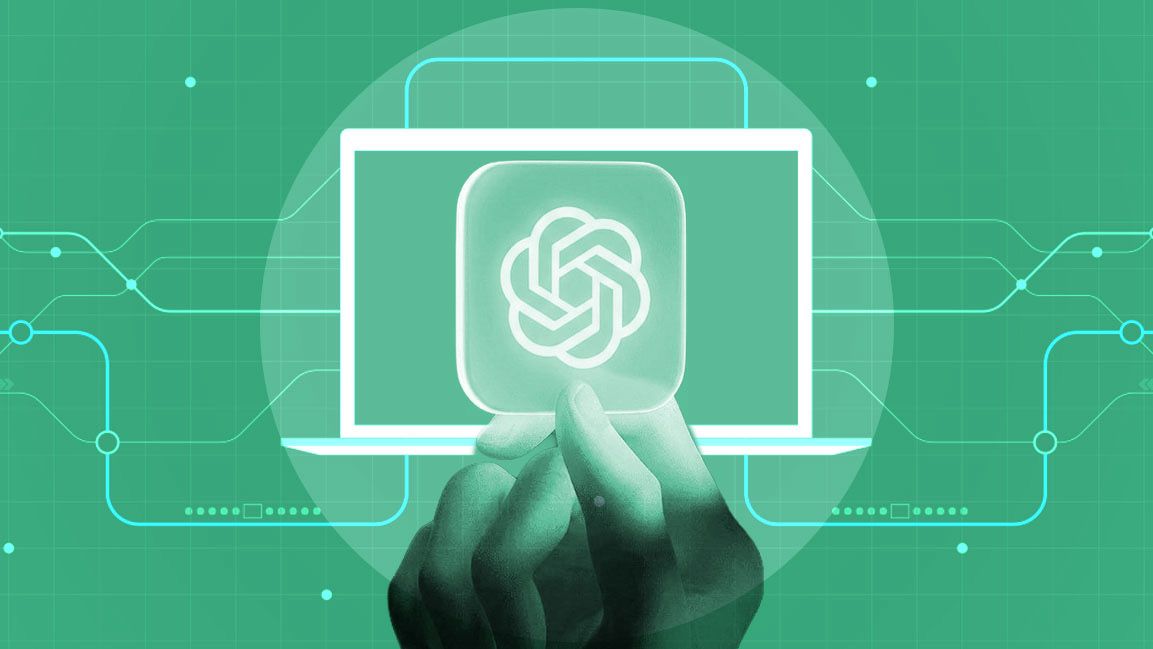
Image Credit- Diksha Mishra/ MIT Sloan Management Review Middle East
OpenAI is consolidating its product ecosystem in a strategic move to streamline user experience, accelerate development, and strengthen its competitive positioning in an increasingly crowded AI market.
The company confirmed a report by The Wall Street Journal that it plans to integrate its ChatGPT application, coding platform Codex, and browser capabilities into a unified desktop superapp. The initiative signals a broader shift toward platform consolidation, as AI companies seek to reduce fragmentation and deliver more cohesive user experiences across tools.
The product overhaul will be overseen on an interim basis by OpenAI President Greg Brockman, alongside internal organisational changes designed to support the transition. Chief of Applications Fidji Simo will lead the company’s sales strategy as it prepares to bring the integrated offering to market, according to a company spokesperson.
The move reflects internal recognition of growing operational complexity. As Simo noted in an internal communication, “We realised we were spreading our efforts across too many apps and stacks, and that we need to simplify our efforts.” She added, “That fragmentation has been slowing us down and making it harder to hit the quality bar we want.”
By consolidating its core products into a single interface, OpenAI aims to unify development efforts, optimise resource allocation, and improve product quality. The strategy is also a response to intensifying competition, particularly from rivals such as Anthropic, as well as mounting pressure from Big Tech players advancing rapidly in generative AI.
The consolidation comes alongside an aggressive expansion strategy. According to the Financial Times, OpenAI plans to nearly double its workforce to 8,000 employees by the end of 2026, up from around 4,500 today. A significant portion of this hiring push will focus on roles tied to “technical ambassadorship,” aimed at helping enterprise customers more effectively deploy and scale the company’s AI tools, an indication of OpenAI’s growing emphasis on enterprise adoption and customer enablement.
The company’s rapid scaling is underpinned by substantial investor backing. Its latest funding round reportedly valued OpenAI at $840 billion, following a $110 billion raise that included participation from major technology firms and SoftBank, underscoring the high stakes and capital intensity of the AI race.
Internally, the urgency of this transformation has been clear. CEO Sam Altman reportedly issued a “code red” in December, pausing non-core projects and redirecting teams to accelerate development in response to competitive advances, including Google’s Gemini 3.
The planned superapp also builds on OpenAI’s recent product momentum. Earlier this year, the company launched a standalone desktop version of its Codex coding tool to deepen its presence in the AI-powered software development space. Integrating such capabilities into a single platform could further streamline workflows for developers and enterprise users alike.
Together, these moves point to a broader strategic pivot, from a portfolio of standalone tools toward an integrated AI platform designed for scale. For business leaders, the implications are significant: as AI providers consolidate capabilities into unified environments, the barriers to adoption may fall, but dependence on fewer, more powerful platforms is likely to increase.
In that context, OpenAI’s superapp is not just a product redesign—it is a signal of how the next phase of AI competition will be defined: by integration, speed of execution, and the ability to deliver end-to-end value within a single ecosystem.