OpenAI Trial Reveals Elon Musk Once Pushed for 90% Stake
His ‘unfiltered’ AI chatbot, Grok, is losing the AI race to rivals such as OpenAI’s ChatGPT, Anthropic’s Claude, and Google’s Gemini.
News
- Ford Rehires 350 Engineers After Finding AI Alone Wasn't Enough
- $725 Billion Later, 91% Say Organizations Still Aren't Realizing AI's Full Value
- AI Dispatch | AI's Transformation Phase
- OPAQUE and TII Launch Open Standard for Verifiable AI Governance
- e& UAE Launches OneWork, a Unified Communications Platform Hosted Entirely in the UAE
- Alibaba Used 29 Million Fake Exchanges to Extract Claude's Intelligence, Claims Anthropic
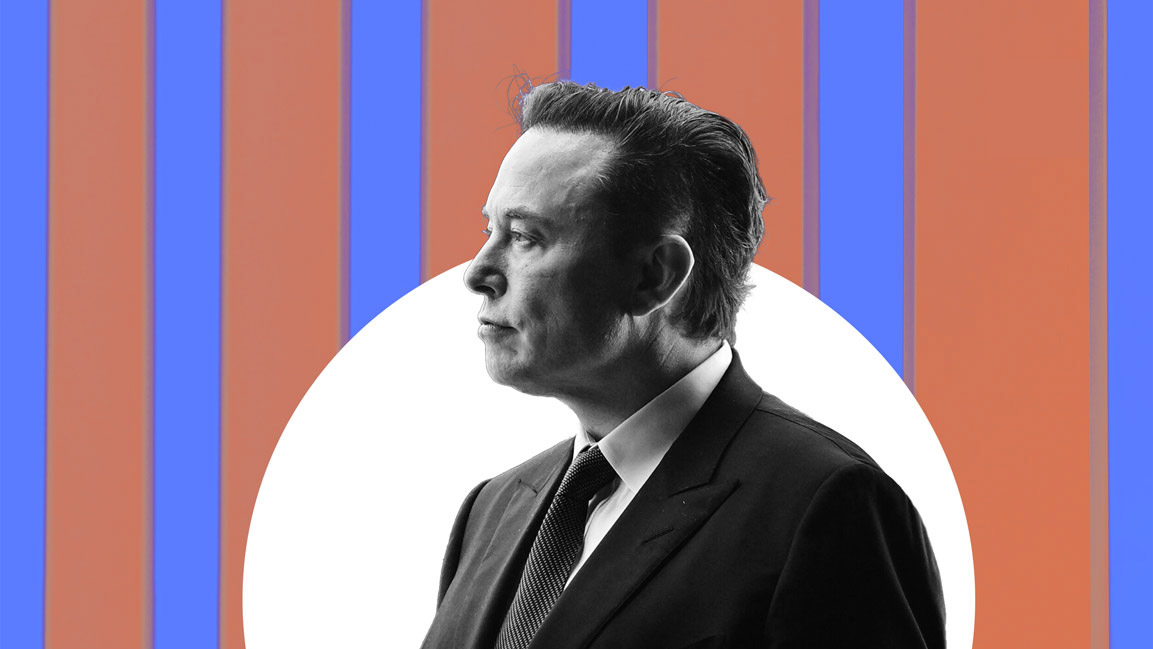
The ongoing trial between OpenAI and Elon Musk, in which Musk accuses the AI startup of abandoning its founding non-profit mission, is revealing internal conflicts at OpenAI.
After Musk sued OpenAI CEO and co-founder Sam Altman and president Greg Brockman for changing the company’s direction, Altman responded with a counter-narrative. Musk claims he was encouraged to invest $38bn in 2015 to benefit humanity; Altman says Musk was aware of plans to change direction from the start and even asked for a majority stake in the startup.
”It does not fit with my conception of the words ‘stealing a charity’ to look at what has actually happened here,” Altman told the court in Oakland, California.
“An early number that Mr. Musk threw out was that he should have 90 percent of the equity to start,” Altman told the jury. “It then softened, but it always was a majority.”
He further says that OpenAI was founded on the belief that no single person should control artificial general intelligence (AGI). “The fact that Mr. Musk was unwilling to commit in writing to something contractual where he would not have long-term control made me very uncomfortable,” said Altman.
The trial precedes OpenAI’s anticipated IPO later this year and could reshape its future, leadership, and products such as ChatGPT and Codex. Notably, as a part of his lawsuit, Musk is seeking $150 billion in damages from OpenAI and Microsoft, along with the removal of Altman and Brockman.
Musk left OpenAI in 2018 to pursue his own AI initiative, xAI, which later debuted Grok in 2023. An ‘unfiltered’ AI chatbot, Grok, while having gained steam in its initial run, is now losing the AI race to rivals such as ChatGPT, Anthropic’s Claude, and Google’s Gemini.
According to AppMagic data reported by the Wall Street Journal, Grok downloads dropped to 8.3 million in April from a peak of over 20 million in January, even with X integration and new features. The chatbot has faced backlash for generating unauthorized obscene images, which could make SpaceX’s IPO plans more difficult this year.
An ETR survey in March found that 48% of respondents reported that their companies use Claude and intend to continue using it, up from 21% a year prior. Gemini usage climbed to 40% from 27%, while Grok saw only modest growth to 7% from 4%.
Musk is under immense pressure to monetize AI operations before the company goes public. Leasing computing power at the Colossus 1 data center near Memphis to Anthropic could generate billions each year.