Moody’s Puts AI Agents to Work Across Finance, Risk and Strategy
The AI suite draws on data for 590 million entities and more than 50 domain-specific agents to deliver auditable outputs built for compliance-heavy sectors
News
- Alibaba Unveils 2.4-Trillion-Parameter Qwen3.8 AI Model
- UAE Treats AI Literacy as a National Economic Priority: Report
- The Hidden Cost of Using AI at Work: It Might Be Making You Boring
- WEF Names UAE PASS a Global Benchmark for Digital Identity
- China's Moonshot Debuts Kimi K3, a 2.8T-Parameter Open AI Model
- 29 Countries Agree to Establish World AI Cooperation Organization
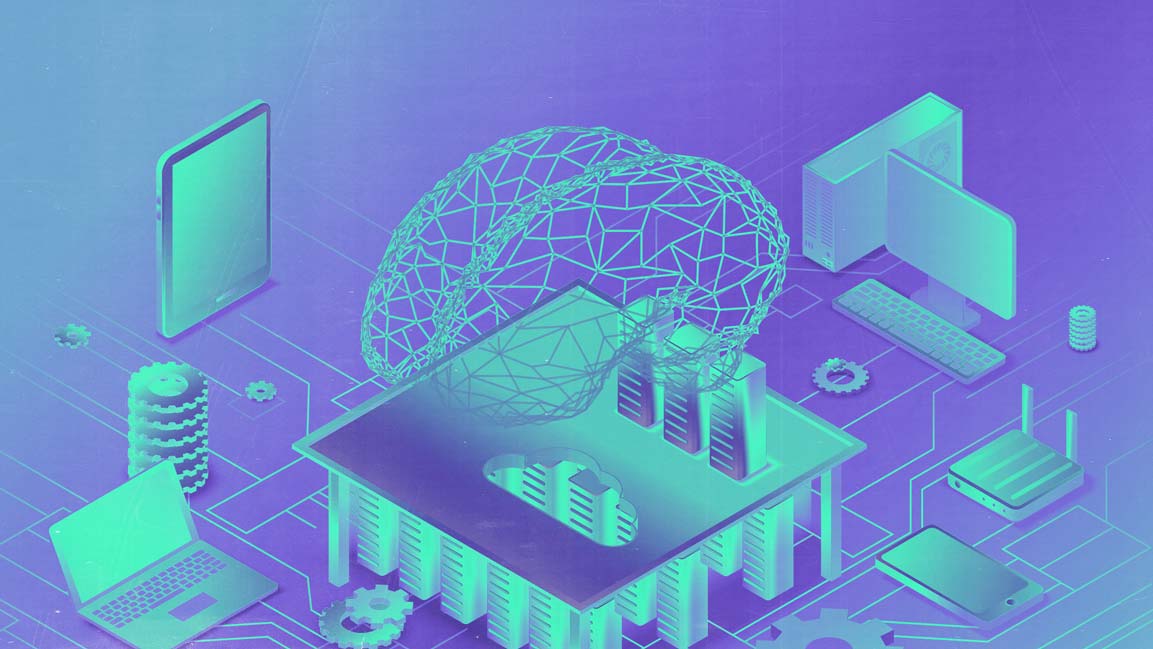
Credit rating firm Moody’s has rolled out Agentic Solutions, its own suite of AI tools that it said will automate complex workflows and speed decision making across finance, risk and strategy.
The launch builds on Moody’s data estate covering more than 590 million entities and is pitched as moving teams from manual analysis to executive-ready insights in minutes rather than hours, according to a company statement.
“Agentic Solutions is a natural extension of our legacy of investment and innovation,” President and CEO Rob Fauber said, adding that embedding “agentic capabilities” in customer workflows would “supercharge” speed and precision in assessing risk and spotting opportunities.
Moody’s said the platform assembles more than 50 prebuilt, domain-specific agents that can be configured for tasks such as credit assessment, portfolio monitoring, sales intelligence and know-your-customer screening.
Outputs are described as auditable and transparently sourced, with governance aimed at compliance-heavy settings. The system is being marketed to financial services, real estate and insurance clients, where accuracy and regulatory alignment are central.
The company, which operates in more than 40 countries and employs about 16,000 people, framed the release as part of a broader push to apply AI across data and analytics products.
A product page published alongside the announcement describes the agents as “digital coworkers” that coordinate across high-value processes.