
Claude Owner Anthropic Discussing In-House AI Chips, Report Says
The move will place Anthropic alongside its peers, Meta and OpenAI, both of whom have initiated similar efforts to have a tighter grip over AI hardware.
News
- Saudi Banks Deliver Stronger-Than-Expected Q1 Earnings Despite Geopolitical Tensions
- Meta Quietly Launches 'Forum,' to Give Users a Reddit-like Experience
- UAE and MBZUAI To Train the Federal Workforce in AI
- AI Dispatch | 15 - 22 May
- OpenAI Claims General-Purpose AI Solved an 80-Year Mathematical Problem
- UAE Rolls Out 4 AI Agents to Speed Procurement, Audits, and Support
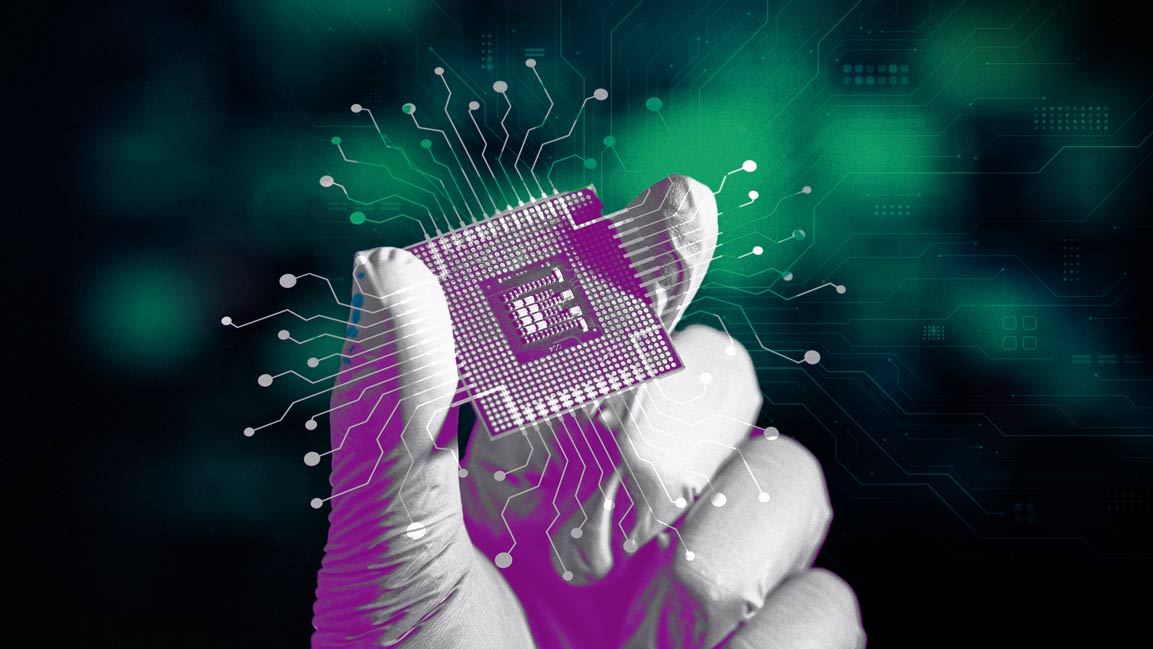
The AI company Anthropic, valued at $380 billion, is considering developing its own chips. Reuters reports that the company is in initial talks about creating proprietary hardware to handle its growing AI workloads. No formal decision has been made, and critical aspects — from architectural design to team setup — are still being determined.
The move reflects a demand for large-scale AI systems, and chips to run them have emerged as both a bottleneck and a competitive edge. For Anthropic, the pressure to perform well in the market is severe. Its flagship model, Claude, has seen adoption, pushing projected annualized revenue beyond $30 billion in 2026, up from roughly $9 billion just months earlier.
Until now, the AI lab has relied on a diverse hardware stack, including Google-developed tensor processing units (TPUs) and custom silicon from Amazon. Earlier this week, Anthropic cemented those relationships through a long-term agreement with Google and Broadcom, the latter of which plays a central role in TPU design. The partnership aligns with a broader $50 billion commitment to expanding U.S. computing infrastructure, indicating Anthropic’s vertical integration alongside hedging through strategic alliances.
The in-house chip designing will place Anthropic alongside Meta and OpenAI. Both peers have initiated similar efforts to gain a tighter grip on hardware to improve performance, reduce long-term costs, and mitigate supply risk. But the barriers to entry are substantial. Industry estimates suggest that designing a cutting-edge AI chip can cost upwards of $500 million, requiring specialized engineering talent and significant investment in fabrication and quality assurance.
Anthropic’s internal discussions also unfold against a backdrop of financial consolidation. The company recently completed a secondary share sale, allowing employees to liquidate a portion of their equity. The tender offer was priced in line with its February fundraising round, which valued the company at $350 billion, excluding an additional $30 billion in newly raised capital. Demand for shares exceeded supply, underscoring continued investor appetite — even as access was rationed.