


Musk Merges SpaceX and xAI in Deal Valued at $1.25 Trillion
The consolidation brings rockets, satellites and AI under one roof as Musk pitches orbital data centres and solar power as the next frontier for large-scale AI computing.
Topics
News
- Waymo Secures $16 Billion to Expand Robotaxi Operations Worldwide
- OpenAI, Snowflake in $200 Million Deal to Embed AI in Enterprise Data
- Musk Merges SpaceX and xAI in Deal Valued at $1.25 Trillion
- TASC Group Appoints New CEO To Lead AI-Driven Growth in the MENA Region
- What Is Moltbook? A New Social Network Built for AI Agents
- OpenAI May Secure $50B From Amazon in Ongoing Talks
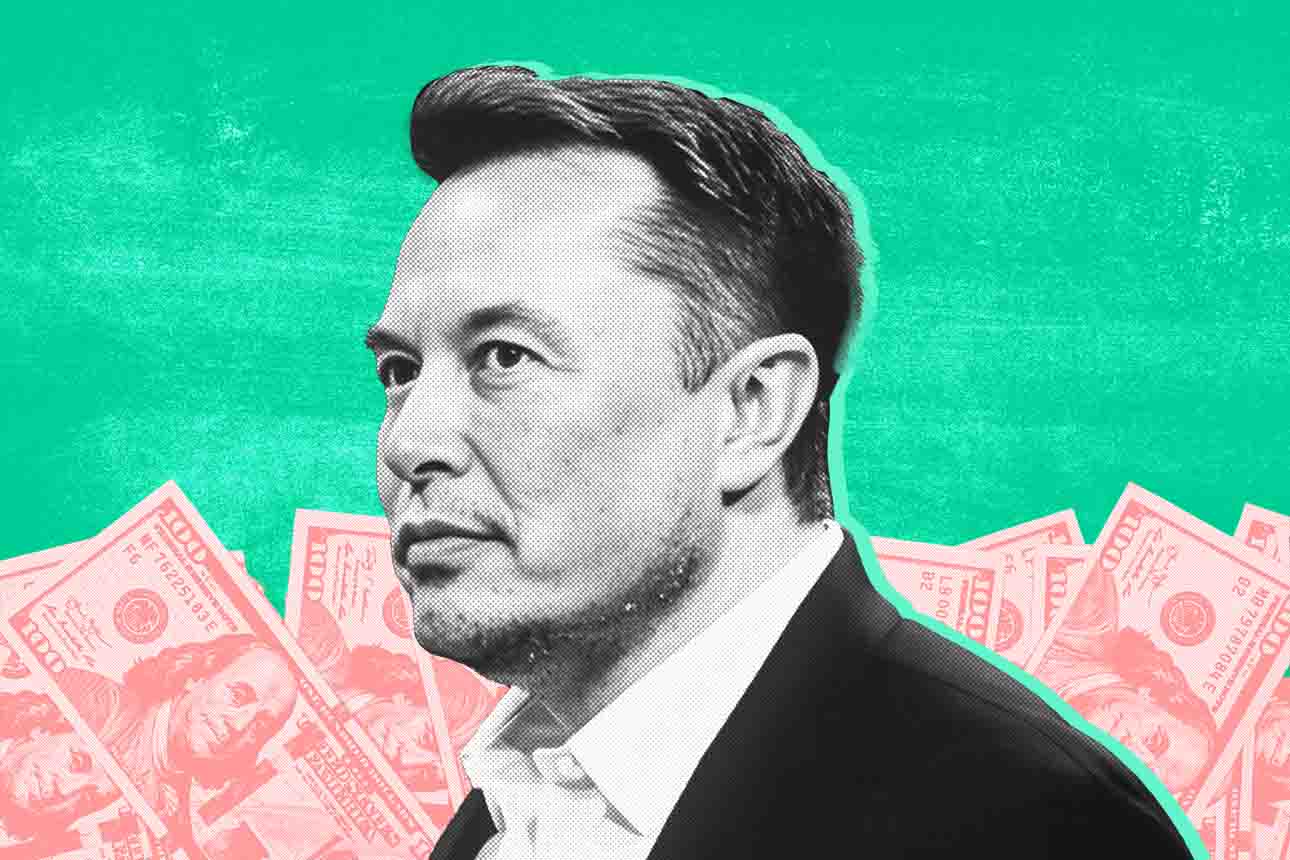
Elon Musk has merged his rocket company SpaceX with his artificial intelligence startup xAI, creating a new entity that he says will accelerate the development of advanced AI systems alongside space and communications technology as the group positions itself for a potential blockbuster public offering.
The deal was announced Monday in a blog post by Elon Musk, who described the merged group as “the most ambitious, vertically-integrated innovation engine on and off Earth,” combining AI, rockets, satellite internet and the X social media platform.
Bloomberg reported that the combined company is preparing for an initial public offering that could value it at about $1.25 trillion, making it one of the largest private business consolidations in tech history.
Public records filed in Nevada and obtained by CNBC show the transaction was completed on February 2, with Space Exploration Technologies Corp listed as the managing member of X.AI Holdings.
The merger represents the largest consolidation within Musk’s business empire and brings together two companies that have surged in private-market valuations.
SpaceX was valued at about $1 trillion in recent share transactions, while xAI, which is backed by investors including Nvidia, Cisco Investments, Fidelity and the Qatar Investment Authority, had been valued near $230 billion in a funding round announced earlier this year.
Tesla, another Musk-led company, said last week it would invest about $2 billion into xAI, further tying Musk’s blockchain of ventures together.
Musk has framed the consolidation as a strategic step toward space-based AI computing, a concept he says could overcome the cost and energy limitations of terrestrial data centres.
Reuters reported that SpaceX has sought approval from the Federal Communications Commission to launch up to 1 million satellites for what it calls orbital data centers, using near-constant solar energy in space to support compute operations.
“Our estimate is that within two to three years, the lowest-cost way to generate AI compute will be in space,” Musk wrote in the announcement, arguing that solar-powered orbital infrastructure could enable AI training at scales not feasible on Earth.
Further, Musk said the merger would enable space-based AI at a scale not possible on Earth. “In the long term, space-based AI is obviously the only way to scale,” he wrote, adding that near-constant solar power in orbit could support massive compute capacity with minimal operating costs.
The combined entity will lean on SpaceX’s position as a leading provider of orbital launch services, a role fuelled by decades of work with NASA and the US Department of Defense, and operate the Starlink network, which now has thousands of satellites in orbit and millions of subscribers globally.
xAI, launched in 2023 as an AI rival to OpenAI and others, has faced controversy, including regulatory scrutiny over its Grok chatbot’s handling of harmful content. Despite this, the US Department of Defense began using Grok in January alongside other AI systems to support intelligence analysis.
The merger follows a pattern of consolidation within Musk’s wider technology portfolio, which includes Tesla, Neuralink, The Boring Co. and other ventures.