From Agent Devices to Quantum Chips: Microsoft's Biggest Build 2026 Announcements
At the flagship conference, CEO Satya Nadella made a bold prediction: the era of operating systems and apps has ended, and the future belongs to AI agents.
News
- The Hidden Cost of Using AI at Work: It Might Be Making You Boring
- WEF Names UAE PASS a Global Benchmark for Digital Identity
- China's Moonshot Debuts Kimi K3, a 2.8T-Parameter Open AI Model
- 29 Countries Agree to Establish World AI Cooperation Organization
- AI Skills Now Feature in 1 in 30 Gulf Job Vacancies, Up Nearly 3x Since 2022: Report
- AI Dispatch: Investments With a Pinch of Caution
At Microsoft Build, the company’s flagship conference held on June 2, CEO Satya Nadella made a bold prediction: the era of operating systems and apps has ended, and the future belongs to AI agents. The company believes that as building AI applications becomes easier, the next challenge will be developing systems that are secure, scalable, and capable of operating seamlessly across devices, operating systems, and the cloud.
In case you missed it, here are the key announcements from the event:
1. Project Solara
Microsoft unveiled Project Solara, a platform designed for what the company calls “agent-first devices.” The chip-to-cloud platform will make it easier and cheaper for companies to create AI-powered devices and products that can be customised for different customers, industries and use cases.
The company also showcased prototypes for this vision: a Qualcomm-powered wearable badge that lets users interact with AI agents hands-free while moving between meetings or travelling, and a MediaTek-powered desk companion that serves as an always-available AI assistant, staying aware of a user’s work, schedule, and ongoing tasks.
2. Surface RTX Spark Dev Box
On the hardware front, Microsoft launched the Surface RTX Spark Dev Box. Described as a ‘dream machine,’ the computer system will be powered by Nvidia’s RTX Spark silicon and equipped to run AI models with up to 120 billion parameters locally.
It is expected to deliver up to 1 petaflop of AI performance and to feature up to 128GB of unified memory.
Nadella is optimistic about the future and expects RTX Spark to mark a real breakthrough towards delivering unmetered intelligence to all.
3. MAI-Code-1-Flash
An early key player in the AI space, Microsoft is now eyeing a competitive edge against rival proprietary models from OpenAI and Anthropic. It announced MAI-Code-1-Flash, its inaugural coding model, which will churn written descriptions from people into source code for applications and websites. Notably, Microsoft’s first reasoning model matched the performance of Anthropic’s Claude Opus 4.6.
In addition, Microsoft introduced MAI-Thinking-1, a 35-billion-parameter reasoning model.
4. Majorana 2
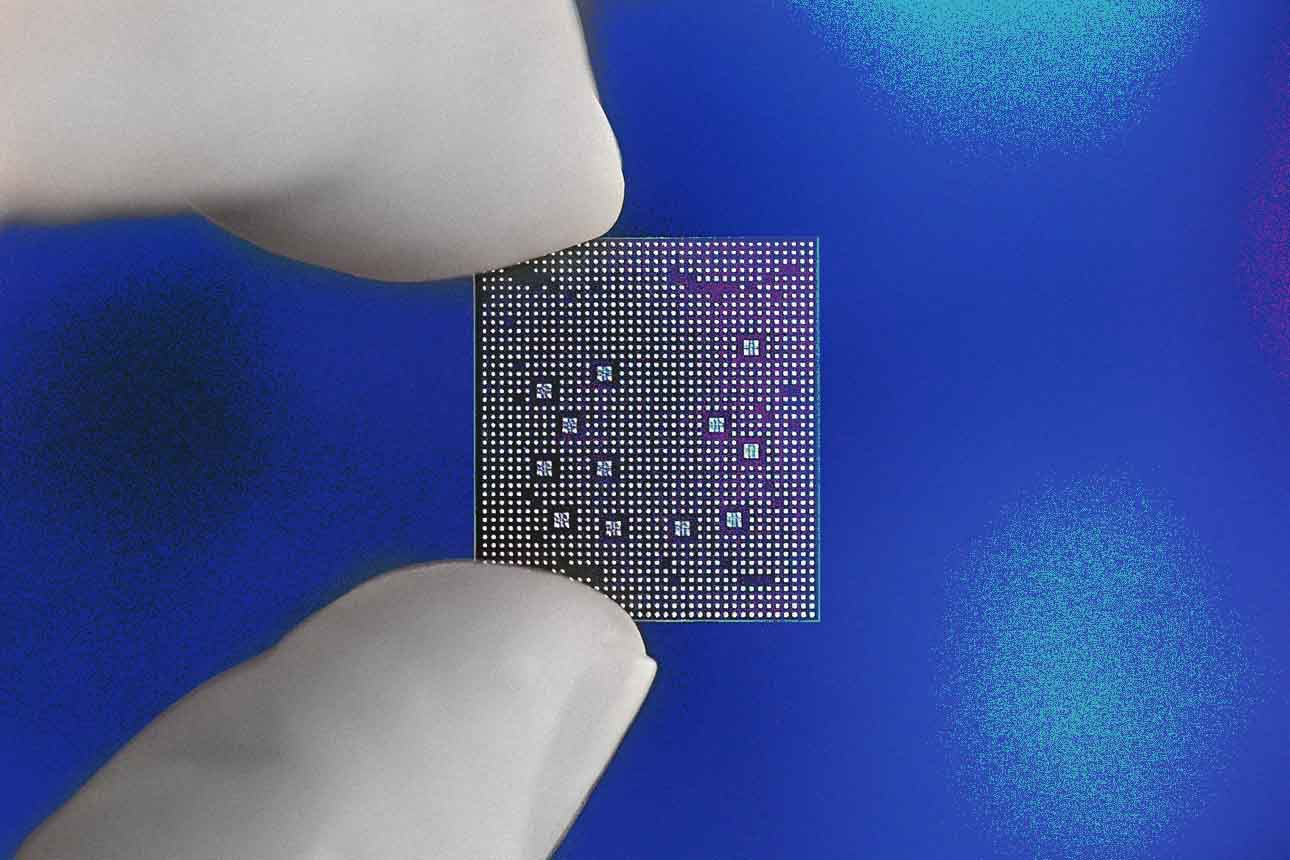
At Build 2026, it also unveiled a follow-up to its Majorana chip from last year. An AI-redesigned quantum computing chip, Majorana 2, is expected to deliver a 1,000-fold improvement in qubit reliability over its previous generation.
Microsoft Discovery, the company’s agentic AI platform for scientific research, played a pivotal role in developing the new generation chip. Instead of being limited to simulations or modelling, these AI agents were embedded directly into the development workflow.
On the back of this announcement, Microsoft has now set a target date of 2029 for its commercially useful quantum machines. This puts the company back on track to compete with IBM’s quantum computer offering in the same year.
5. AI Agent Scout
Described as its first Autopilot agent for work, Microsoft Scout is designed to operate across Teams, Outlook, OneDrive and SharePoint while also performing actions directly on a user’s device. What sets Scout apart from the rest is its ability to run in the background and proactively assist with day-to-day tasks, rather than requiring users to constantly enter prompts.
It also has upgraded security and management features, with each AI agent assigned its own Entra identity, allowing organisations to monitor what it can access and control the actions it is allowed to perform.