India Looks to Orbit for Its Next Data Centre
Agnikul Cosmos and NeevCloud plan to test an AI data-center module in low Earth orbit before year-end.
Topics
News
- Oracle Cuts 21,000 Jobs as AI Silently Reshapes Its Operating Model
- Nvidia’s New Cooling System Cuts Data Center Water Use to Near Zero—But Not AI’s
- 38% of UAE and Saudi Firms Have Agentic AI in Production, Highest Globally
- "The Timeline Is Months, Not Years": Five Eyes Warns of AI-Powered Cyberattacks
- Digital Dubai Helps Propel Dubai Into Global Top Five City Brands
- Saudi Arabia Opens Path to Data Monetization, Bars Raw Data Sales
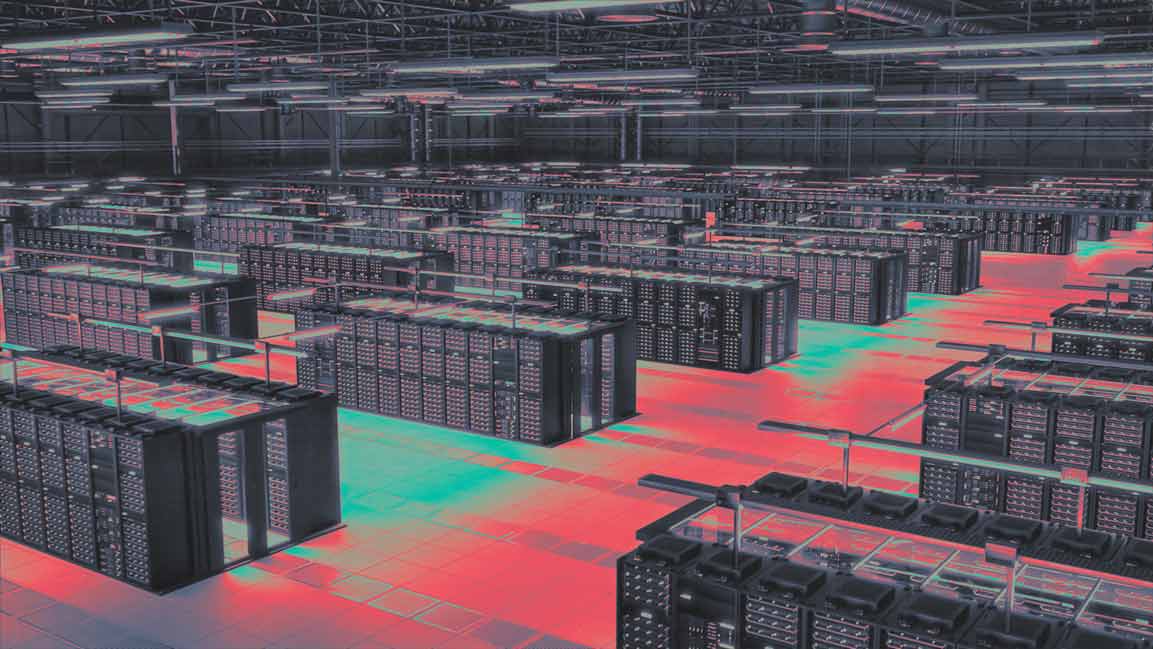
An Indian rocket startup and a domestic AI cloud provider plan to deploy computing capacity in low Earth orbit in what they describe as India’s first attempt at a space-based AI data center.
Chennai-based Agnikul Cosmos, which builds small satellite launch vehicles, has signed a commercial agreement with NeevCloud, an AI infrastructure arm of RackBank Datacenters.
Under the deal, an AI data-center module will be deployed on Agnikul’s rocket and hosted on its upper stage after launch.
A pilot mission is scheduled before the end of this year. If validated, NeevCloud plans to scale the concept into a network of more than 600 orbital edge data centers over the next three years.
The model relies on Agnikul’s extendable upper-stage design. After placing its primary payload in orbit, the rocket’s upper stage would remain operational and be repurposed as a computing platform.
“As with all rockets, with more launches we leave upper stages in orbit,” Srinath Ravichandran, co-founder and chief executive of Agnikul. “Our convertible upper-stage technology allows them to remain functional and host compute hardware in space.”
NeevCloud will deploy and operate the AI hardware on the orbital platform, powered by solar power and integrated into its cloud orchestration system to handle inference workloads.
“We are not just building a data center in space, we are building an entirely new layer of orbital inferencing infrastructure,” said Narendra Sen, founder and chief executive, NeevCloud.
He added that advanced AI systems need to be “decoupled from terrestrial limitations” to broaden access.
The companies said the orbital infrastructure is intended to support latency-sensitive applications such as defense, maritime operations, energy management and industrial automation.
By shifting some computing tasks into space, they said, it may be possible to reduce duplication of terrestrial edge data centres and associated costs, including land, cooling and energy consumption.