
As organizations continue to modernize their technology environments, virtualization is once again becoming a central consideration in enterprise infrastructure strategy.
As organizations continue to modernize their technology environments, virtualization is once again becoming a central consideration in enterprise infrastructure strategy.
The UAE sits at a unique crossroads—where an oil-driven economy is going digital, a diverse workforce fuels growth, and capital continues to flow into infrastructure. What worked in the past is unlikely to hold in the age of AI.

Organizations worldwide are racing to be first—and best—in artificial intelligence: first to invest, develop, implement, and deploy. But who takes accountability and ownership of AI initiatives within an organization?
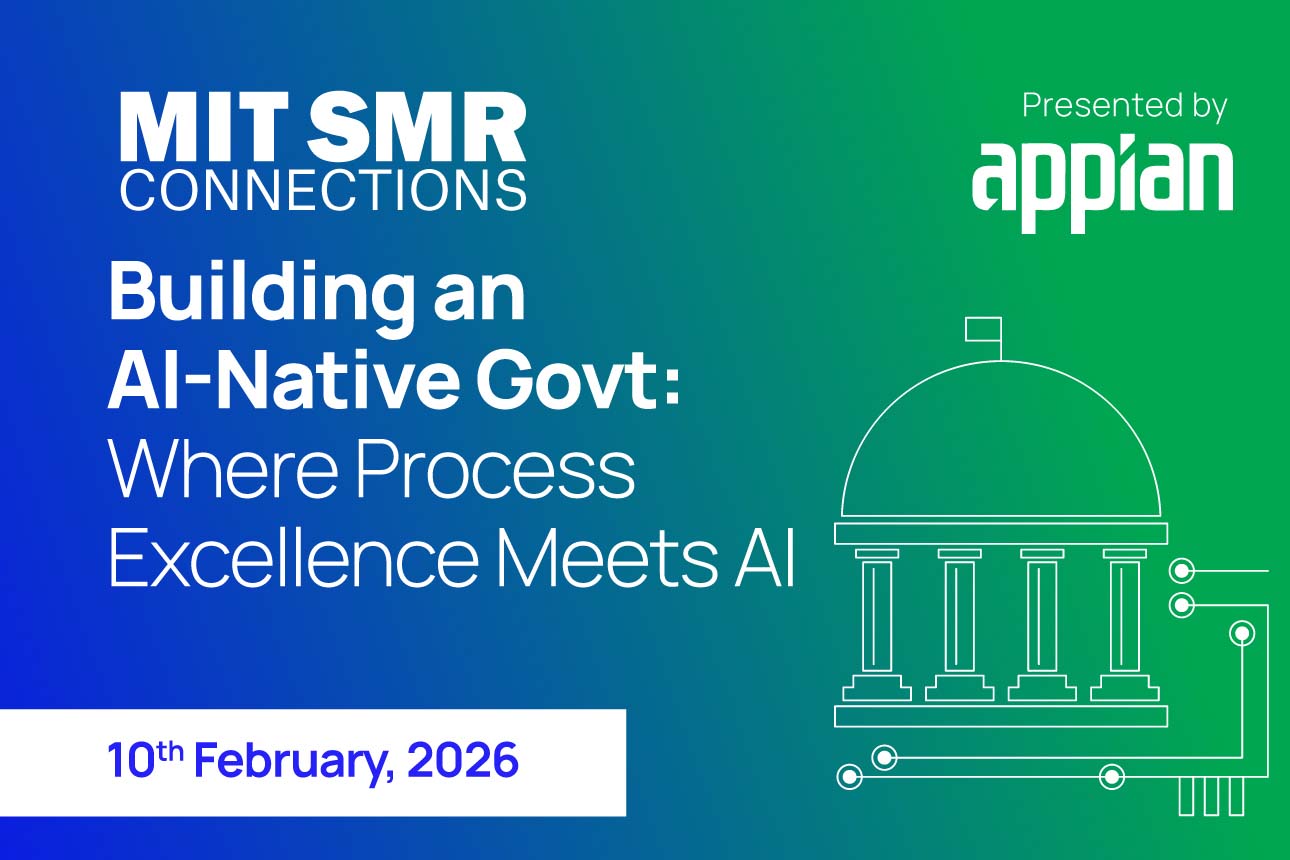
In 2026, governments worldwide are grappling with a new strategic question: what it means to be AI-native. The UAE offers an early example of how a pro-AI state is built. Abu Dhabi is committed to advancing an AI-native government, as detailed in its Digital Strategy for 2025–2027.

As AI transforms global industries, finance is entering its most consequential shift yet. To move from hindsight to foresight, it must work across the enterprise and get data right. Without trusted data, AI stalls; but with it, finance becomes proactive and strategic.

Data management has evolved from physical storage to virtualized infrastructure and cloud-scale environments. As Saudi Arabia and the UAE accelerate digital transformation, leaders are rethinking how data is stored, governed, and scaled—while grappling with rising licensing costs, vendor lock-in, and the complexity of legacy systems.

The MIT Sloan Management Review Middle East’s AI Research Forum is the region’s premier platform for exploring the breakthroughs, strategies, and economic impact of AI.
Over the past five years, UAE insurers have made significant investments in digital transformation.

Over the past five years, UAE insurers have made significant investments in digital transformation.