U.S. Relaxes AI Chip Curbs for UAE Following Support in Iran Conflict
The move is expected to benefit UAE firms like G42, whose AI expansion plans stand to accelerate as the U.S. eases export restrictions on advanced chips.
News
- U.S. Relaxes AI Chip Curbs for UAE Following Support in Iran Conflict
- Ex-OpenAI CTO Mira Murati’s Thinking Machines Launches Its First Open-Weight AI Model
- AI Vendor Lock-In Emerges as the Next Enterprise Risk in the UAE: IBM Study
- Meta Sued for Allegedly Using AI to Lay Off Employees on Leave
- Hundreds of AI Experts Urge Governments to Prepare for AI-Driven Economic Disruption
- Saudi Arabia Adds Agentic AI to Its National Data Platform
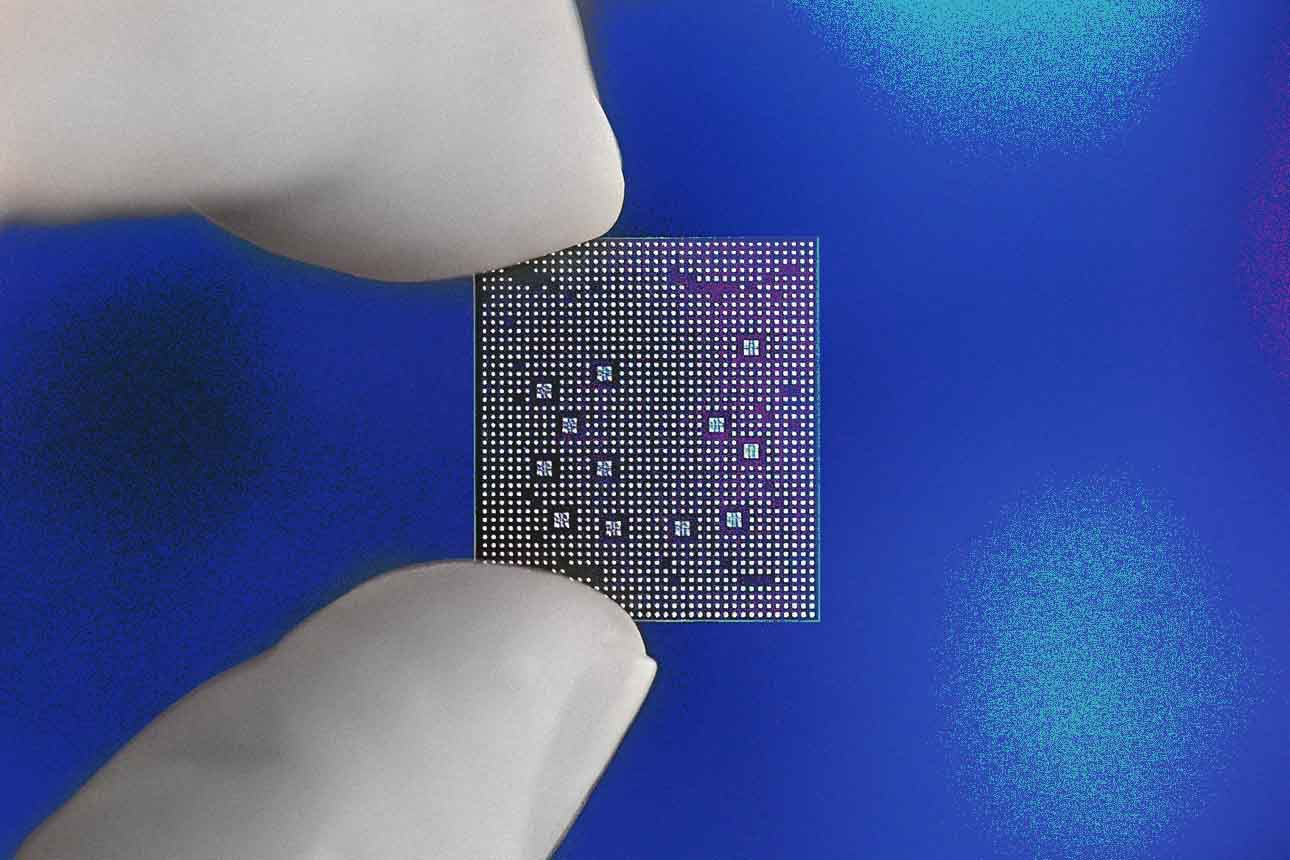
The United Arab Emirates has secured broader access to advanced U.S. AI chips following a shift in Washington’s export control policy, marking a pivotal moment in the intersection of geopolitics, national security, and AI infrastructure.
Under a rule change announced by the U.S. Commerce Department, the UAE will now be treated similarly to countries such as India, South Korea, and several European allies when purchasing sensitive technologies with potential military applications. The move removes many of the licensing hurdles that previously restricted exports of advanced AI chips to the Emirates, paving the way for companies including Nvidia, Microsoft, and OpenAI to expand their AI infrastructure in the region.
The policy shift follows months of closer security cooperation between the UAE and the United States during the recent Iran conflict. According to U.S. officials, the Emirates supported allied operations by participating in military strikes, intercepting Iranian missiles and drones, and helping maintain the security of commercial shipping through the Strait of Hormuz.
For the UAE, the latest change represents the culmination of a multi-year effort to position itself as a global AI hub. The country has invested heavily in sovereign AI infrastructure, large-scale data centres, and national AI capabilities as part of its economic diversification strategy. Easier access to advanced graphics processing units (GPUs) is expected to accelerate those ambitions by reducing the regulatory friction that previously delayed deployments of AI systems.
One of the biggest beneficiaries is expected to be G42, the Abu Dhabi-based AI company chaired by Sheikh Tahnoon bin Zayed Al Nahyan, the UAE’s National Security Adviser. The revised rules are expected to enable G42 to procure advanced chips from American suppliers more freely, while also simplifying expansion plans by technology firms building AI infrastructure in the Emirates. Until now, exports of high-end AI chips required case-by-case approval from the Commerce Department, a strenuous process that could take months.
The decision reflects AI compute has become an asset, similar to energy infrastructure or critical minerals, with access increasingly shaped by geopolitical alignment. Countries seeking to build sovereign AI capabilities now view compute capacity as a pillar of national competitiveness.
At the same time, the policy change is likely to face continued scrutiny in Washington. Critics have questioned whether expanding access to advanced AI hardware outside the United States could create long-term security risks. Others have raised concerns over the financial relationship between Sheikh Tahnoon and the Trump family following the Emirati-backed investment in World Liberty Financial, a cryptocurrency venture associated with the Trump family.
Democratic lawmakers have argued that the timing of the policy shift warrants closer examination, while administration officials maintain that the decision reflects the UAE’s strengthened security partnership and commitments to preventing the diversion of sensitive technologies.