


Gaitana, a Blue AI Bot, Enters Colombia’s Parliamentary Race
Described as an 'environmentalist' and an 'animal rights advocate,' the blue-coloured bot is aiming to win one of the seats reserved for the native communities.
Topics
News
- Nearly 100% UAE CIOs Believe Their Reputation Will be at the Mercy of AI
- Gaitana, a Blue AI Bot, Enters Colombia’s Parliamentary Race
- TII Launches Cloud Access to Homegrown Quantum Processors
- Google VP Predicts Shakeout: Two Kinds of AI Startups May Not Last
- Anthropic Expands Claude Into Code Security With AI Reasoning
- Middle East Asserts Strategic Clout at India AI Impact Summit 2026
[Image source: Chetan Jha/MITSMR Middle East]
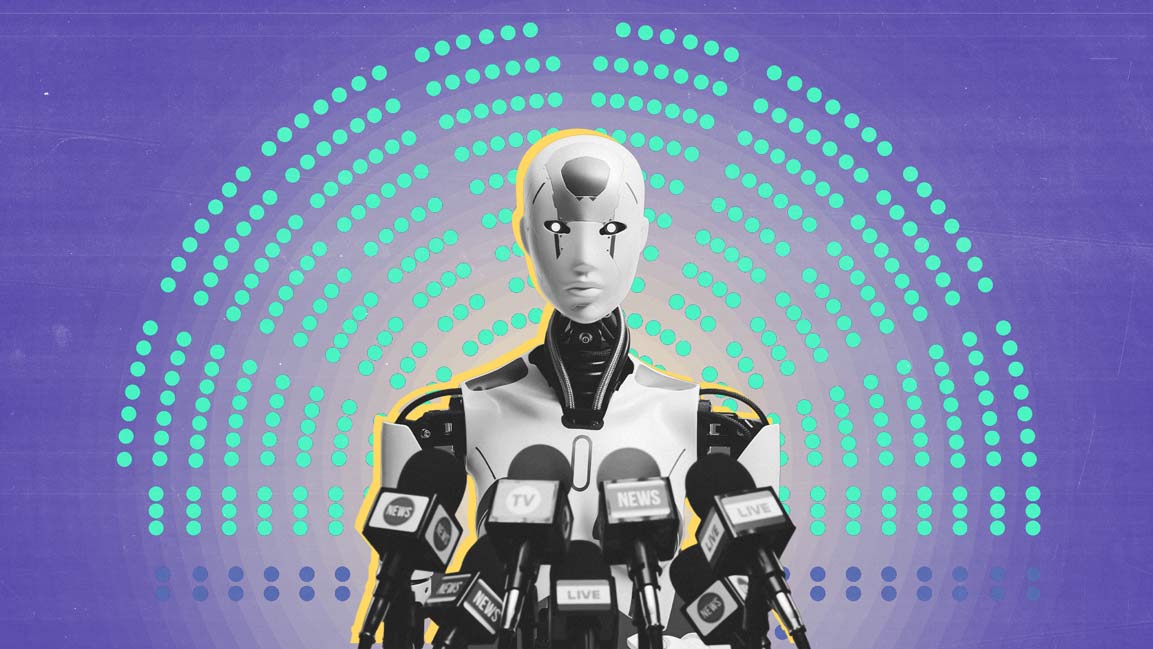
An AI bot is looking to contest Colombia’s upcoming parliamentary elections, slated for March 8. Developed by Carlos Redondo, a member of the Zenu community on Colombia’s Caribbean coast, the bot is named after a legendary native woman and symbol of resistance, Gaitana.
Redondo describes the bot’s political rallying as a way of challenging sitting politicians and the flawed legislative decision-making process.
Described as an ‘environmentalist’ and an ‘animal rights advocate,’ the blue-coloured bot is aiming to win one of the seats reserved for the indigenous communities.
Notably, the bot runs on three small servers.
If Successful, How Will Gaitana Work?
Redondo notes that the bot’s policy platform is drawn from the views of over 10,000 online users.
For instance, if a 200-page bill comes up in parliament, Gaitana would turn it into a few simple pictures with key facts and share them with the Zenu community.
This will be followed by members expressing their opinion on the bill, through “yes” and “no” verdicts. Whichever side polls over 50% support will determine which way the bot votes in the parliament.
A first of its kind, Gaitana, Redondo acknowledged, still has room for improvement in data security and the aggregation of diverse opinions. However, as Colombia’s electoral law does not allow non-humans to be formally registered, Redondo and another individual have been registered as human candidates to occupy the parliamentary seat, with the AI avatar serving as the digital representative.
On the ballot, voters can select the name “IA”, the Spanish acronym for artificial intelligence.