
IMF Sounds Alarm on Global Growth as Middle East Conflict Escalates
Energy and food cost surges could stall economic growth this year, with a lasting impact on the global economy.
News
- Dubai Taxi Company Migrates Core Systems to du's National Hypercloud
- Elon Musk Launches X Money in Push Toward 'Everything App'
- Nvidia Reportedly Plans $250bn Backstop for OpenAI's Mega Data Center
- After OpenAI, Anthropic's AI Agent Raises Fresh 'Rogue AI' Concerns
- Enterprise AI's Real Value Lies Beyond Chatbots: SAP CFO
- ServiceNow's AI Deployments Grow Ninefold as Safety Takes Priority
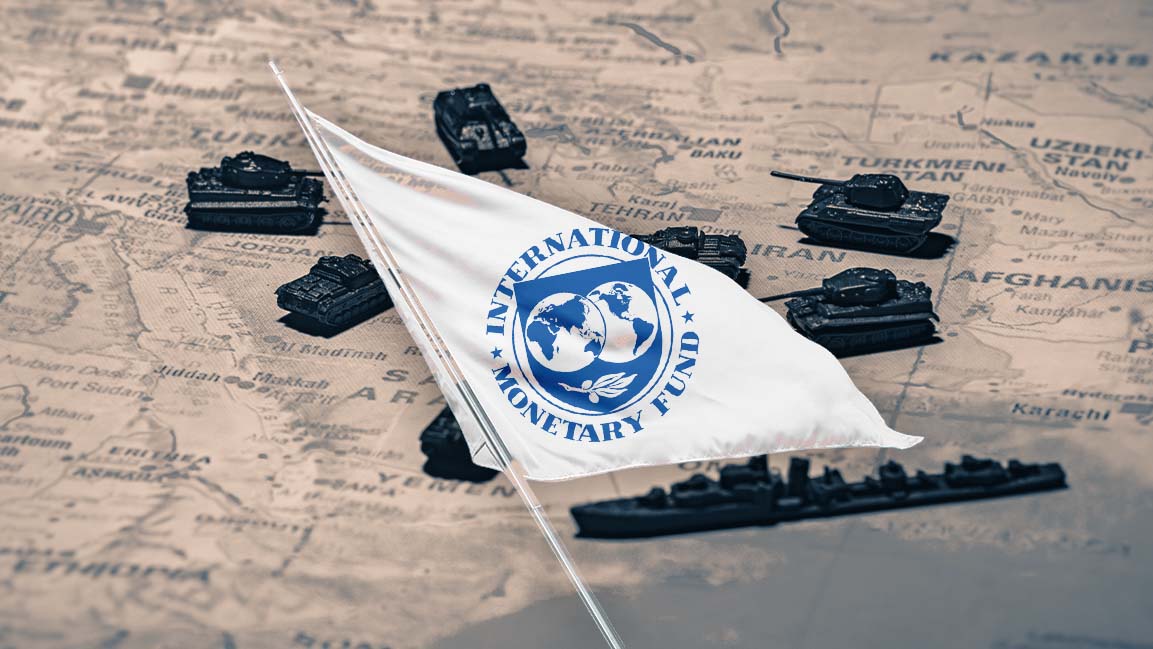
Image Credit- Diksha Mishra/ MIT Sloan Management Review Middle East
With the US-Iran conflict entering its 32nd day, the International Monetary Fund (IMF) has stated that the geopolitical issue is dimming the outlook for many economies that were beginning to show signs of recovery from previous crises.
The IMF noted that the shock will be global yet asymmetric, with energy importers, low-income countries, and those with weak reserves being at a disadvantage, while exporters, advanced economies, and well-buffered nations are expected to fare better.
“Although the war could shape the global economy in different ways, all roads lead to higher prices and slower growth,” said the Washington-based organisation in an official blog.
Energy and food cost surges could stall economic growth this year, with a lasting impact on the global economy.
The closure of the Strait of Hormuz and widespread infrastructure damage have triggered the largest disruption in global oil market history, with uneven impacts: energy-importing economies across Africa, the Middle East, and Latin America face rising costs, while oil exporters see stronger fiscal and external positions.
Duration, IMF notes, will play a pivotal role.
A short conflict period may see oil and gas prices soar before markets adjust, while a long one could make energy expensive and strain countries that rely on imports.
A third possibility is where the world may find a middle ground, with tensions persisting, energy prices remaining high, and inflation resisting control amid lingering uncertainty and geopolitical risks.
Fertilizer disruptions, affecting one-third of global supply, will likely affect food prices likely being affected. Low-income countries are most vulnerable when prices inflate, as food accounts for about 36% of consumption on average, compared with 20% in emerging market economies and 9% in advanced economies.
Global stocks have dipped, bond yields have risen, and volatility has spiked across advanced economies.
“The market sell-off has so far been contained compared with past global shocks,” said the IMF, adding that these shifts have tightened financial conditions worldwide.
“Much depends on how long the conflict lasts, how far it spreads, and how much damage it inflicts on infrastructure and supply chains,” it noted.